The reading problem
Start with a subject collection, narrow to a model record, read a source-based article and keep the evidence boundary in reach.
A record becomes difficult to check when its subject changes halfway through a sentence. Write the brand, full model and component before interpreting the remaining text.
A practical example
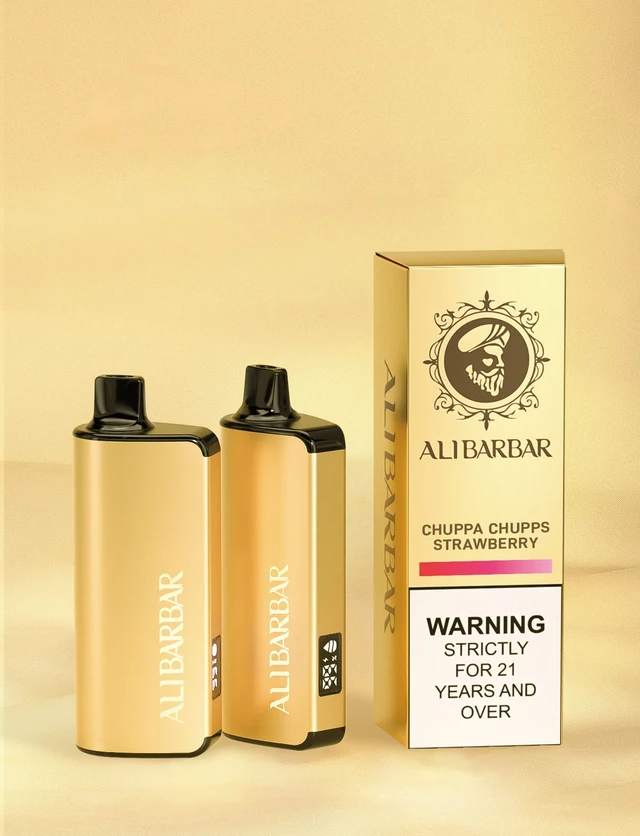
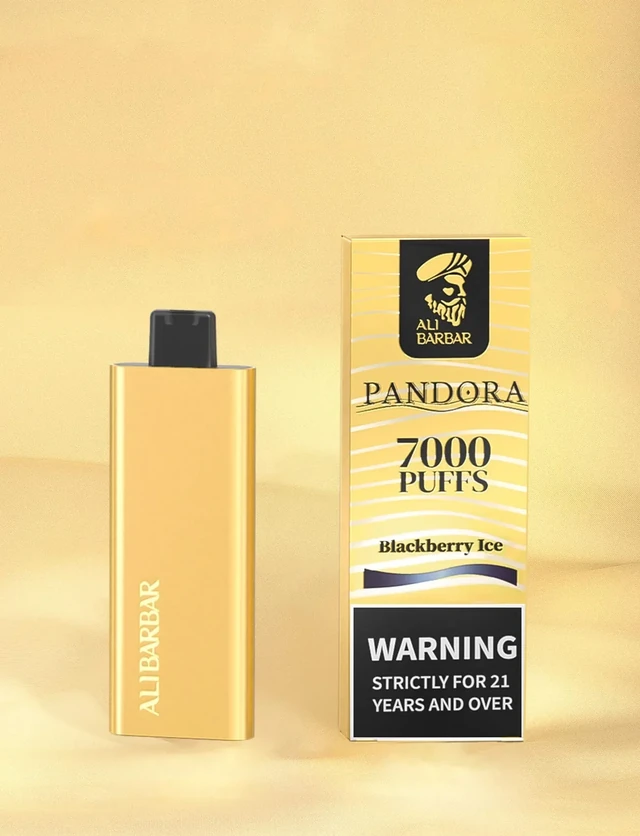
Alibarbar Ingot 9000, Ingot 15000 and Pandora 7000 appear as separate directory entries. Shared visual styling does not make their records interchangeable.
Start with the exact noun
Write down the subject, the publisher, the exact source address and what remains unknown. When another account repeats the statement, check whether it supplies new evidence or simply points back to the same original.
Which exact object does the statement describe?
A worked reading example: When a suffix disappears
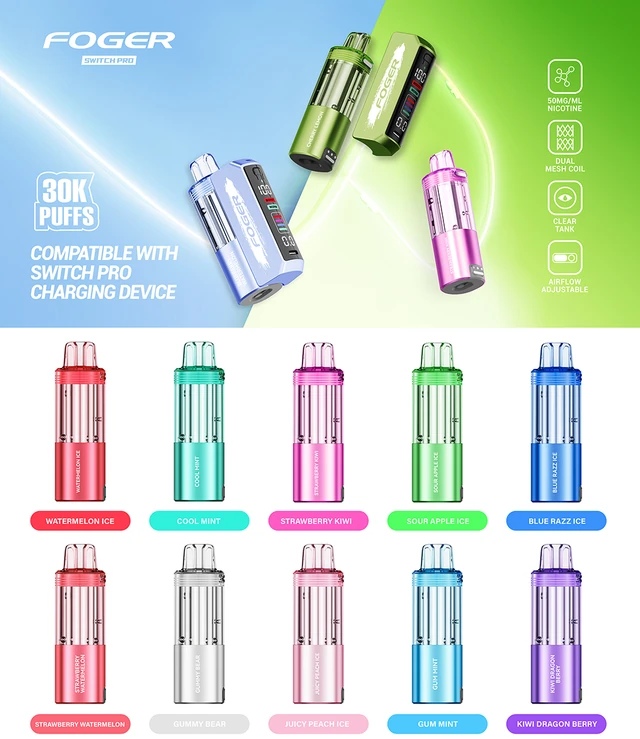
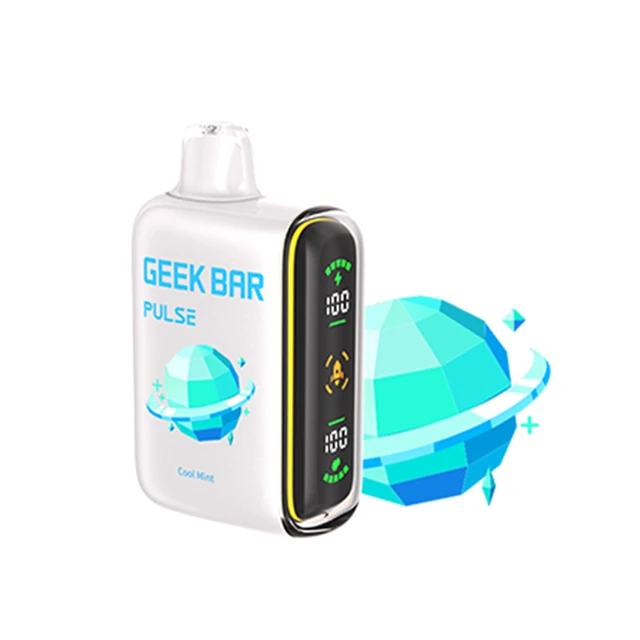
Suppose a reading note begins with Geek Bar PULSE X, while the caption beneath its picture says only PULSE. The first repair is not to select one wording on the basis of visual resemblance. Open both named product pages and keep their addresses separate. Record which page supplied the image and which supplied the passage. If the passage cannot be attached to the same subject, narrow the note to what is supported. The same approach matters when a Foger kit name is shortened to a component name, or when an Alibarbar numerical suffix is omitted. A tidy-looking table is less useful than an identifier a reader can actually trace.
Check the route through the edition
Use the internal brand and model pages to narrow the subject. Then follow the original source, return to the article and see whether its conclusion stays within the source scope.
Editorial takeaway: Preserve the complete label in the heading, caption and source note.
A boundary worth keeping
The name fixes the subject; it does not prove the claim.
The linked product publishers describe their own materials. This publication provides a reading structure; it does not claim to have independently tested devices or certified a market status.
Continue with an original record
Checked 17 October 2026. Read the original source and its scope before extending the conclusion.